Headie One – Edna (Album Review)

“One wrong turn or move, all the hardwork can be undone… I wish I had someone told me to pay attention to the decisions that you’re making because they’re important, more important than you think they are”.

– Headie One, 16BARS interview
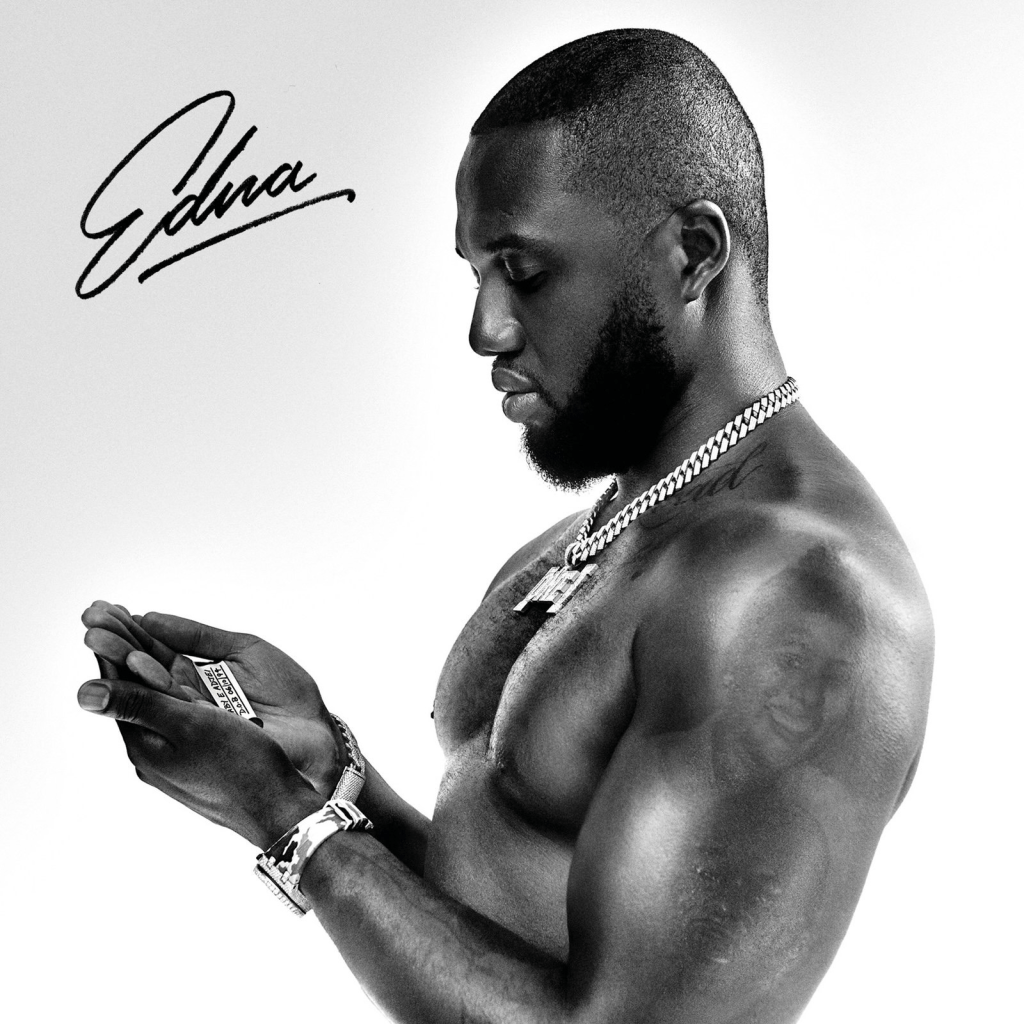
Image: Complex

There’s something in the air in Tottenham that makes great MCs (Skepta, Chip, Wretch 32 to a name a few). This time around, it is Headie One who has cemented his name to that list. Originally under the moniker ‘Headz’, he released his first mixtape in 2014 (‘Headz or Tails’) and was releasing music with the OFB collective. This came to a halt when he received a 30-month sentence in the same year he released his debut mixtape. Determined to make up for the lost time, ‘Headz’ rebranded to ‘Headie One’ when he started to release more solo singles and created a buzz around himself before releasing ‘Golden Boot’ in late 2017 which made the scene pay attention to him.

Three years and some seven mixtapes later, Headie One’s established himself as the number one drill artist in the country (Drake said “in the world”) and his debut album, ‘Edna’, will show you why if you have not realised by now. Dedicated to his mother, ‘Edna’ explores Headie’s past, praises the present success of his crossover from the roads and looks to the future, whilst seeking guidance from his mother. This is a grown piece from Headie One whilst bringing us what we love from him (the adlibs, punchlines and for me, the football references).

Teach Me’ opens the album to Headie’s latest piece. Here, he asks his mum to teach him forgiveness. It’s a heartfelt one because whilst he calls out those who abandoned him and may feel resentful to those that have done him wrong, he looks to turn the other cheek and be mature. The succeeding track, ‘Psalm 35’ sees in an increase in tempo with a resounding acoustic guitar and powerful bass. He remembers the wicked way his stepmother used to treat him (“My step ma was a bitch, she used to make mе beg her to feed me”). All former trauma made him turn to God, particularly when he was incarcerated. Reading Psalm 35 helps him to sleep, especially when he isn’t at peace mentally (“I’m livin’ proof that prayer is needed / My mind is a war zone, nah, bro, I can never tell those secrets”).

It’s not all despair as the beginning of the album may suggest. Headie One pairs up with M Huncho for the second time on a Headie One project (the first time being ‘Secure the Bag’ on ‘The One’ mixtape). On ‘Bumpy Ride’  Headie brings a skippy flow to a beat driven by a punchy bass, whilst M Huncho brings a contrast with vocals complementing the instrumental.

M Huncho is not the only UK feature on the album as the album hosts many other UK stars including AJ Tracey and Stormzy on ‘Ain’t It Different’ (released prior to the album), which describes the transition before and after music. It samples Red Hot Chilli Peppers ‘Pretty Little Ditty’ & ‘Crazy Town’s ‘Butterfly’. ‘21 Gun Salute’ with Young Adz of D-Block Europe (DBE) sees Headie One reference Harry Potter and Matilda (They think I do ooh-ooh, call me Professor Dumbledore / Why they so miserable? (One) They come like Miss Trunchbull (Turn, turn).

Headie One isn’t talking about the GCSE when he says ‘Triple Science’ (I actually did this GCSE with my mates). Rather, it’s a metaphor for the science of the trap and the ‘chemical reactions’ that can happen there. (“Bicarbonate, rest, that’s chemistry/ Countin’ up bread, that’s physics /You ever seen a fiend OD, biology”. Breathing’ begins with a phone call with a friend who’s got a life sentence. (“Look into my eyes and you can see my soul leavin’ / Nigga, I ain’t livin’, I’m just fuckin’ breathin”). This shows the sad and harsh reality of the street life when things don’t go right – for some, the roads are their only means to an end.

Edna’ also invites international stars in the form of Future and Drake on ‘Hear No Evil’ and the ‘Only You’ freestyle, which was also released before the album. This was the first time I personally heard Future on a UK drill instrumental and I think he did a decent job. ‘Only You’ combines Drake’s fast flow, which may to some sound as if he’s rapping faster than the beat, with Headie One’s laidback flow. This collaboration is another expression of Drake’s interest in the UK scene and particularly UK Drill, with his previous drill releases ‘War’ and ‘Demons’.

The UK collaborations continue. ‘F U Pay Me’ features Ivorian Doll who’s also been enjoying success as an upcoming artist, with co-signs from Iggy Azalea and Asian Doll. The message is clear here: they’re all about the money and don’t play games. My favourite collaboration and in fact, favourite song on the album, is ‘Princess Cuts’, which features the starboys of the year Young T & Bugsey. They return the favour for Headie One as he featured on their blockbuster hit ‘Don’t Rush’. Princess Cuts’ gives Spanish salsa vibes with the guitar strums and groovy bassline and Young T croons the chorus (“Got twenty on my wrist I’m going crazy / Canary princess cuts for my baby”). All their verses are what makes this song a million-dollar track. Haile, arguably one of the best singers in the scene, channels his Caribbean roots to give a dancehall/bashment vibe on ‘Everything Nice’, whichsamples ‘On The Hotline’ by Pretty Ricky .

The album closes as it started with more self-reflection and introspective views from Headie One. ‘You/Me’ (featuring Mahalia)has a slow soul feel, where Headie One wonders and questions if the girl he’s with is going to stick by him when times get rough. ‘Therapy’ explores the things Headie took comfort in when battling difficult situations. ‘Cold’, which features USA’s Kaash Paige, allows Headie to look at his journey from where he’s come from and where he’s about to go. ‘I used to love the trap, like it would love me back (One) / I couldn’t wait for the days to say, I’m done with that.” This is one of the songs you get an ‘honest’ feel of Headie as he describes hardships, but he embraces them with the positives, and he is proud of it as he should be. Other stand out songs include ‘The Light’, a remake of Kanye West’s ‘All Of The Lights’,  where he cites Dwight Yorke and Willian. “I’m doin’ 120 on the M, I’m about to reach York with da white”.

This is a mature Headie One and the growth is evident. His artistry and versatility is displayed in each of the songs and not one track sounds the same as the other. A great album and one to remember for years to come.

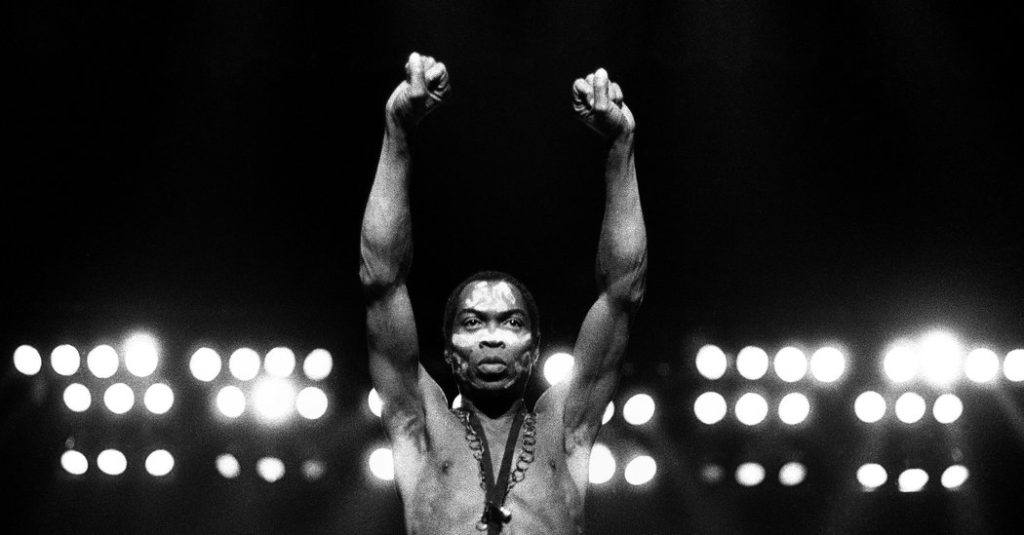
Influential Icons: Fela Kuti

Your favourite African artist (and probably your favourite artist outside Africa) has most likely sampled a Fela Kuti song in their music at least once before or taken influence from him. He may have been a musician by job title but seen by many as a freedom fighter as he addressed the wrongdoings of the government of Nigeria and Africa as a whole. Fela Kuti is the blueprint of African music today and here we’ll take a look into his life and legacy.

Image: NY Times

Fela Kuti’s Early Days

The “Father of Afrobeat”, Fela Anikulapo Kuti was born Olufela Olusegun Oludotun Ransome-Kuti on 15 October 1938 in Abeokuta, Nigeria. His mother, Funmilayo Ransome-Kuti was a teacher and activist who fought for Nigeria’s independence and freedom. She was associated with Osagyefo Kwame Nkrumah, the first president of Ghana. His father, Israel Ransome-Kuti, was an Anglican preacher and the first president of the Nigerian Union of Teachers. As early as the age of 8, Fela Kuti began to play the piano and drums and later led the school choir. Fela Kuti’s parents insisted he studied medicine, but destiny chose a different course of life. When his father died at age 17, his mother pushed him to pursue an education of some sort. He firstly enrolled on a medicine programme, but he shortly enrolled on a Classical Music course at Trinity College where his knowledge of music further grew.

Music Influences & Style

Fela Kuti took a lot of inspiration from highlife. Highlife is a genre that originated in Ghana as early as the 1900’s, which composes of western instruments including the guitar, horns, trumpets and traditional Akan music along with vocals which often told stories. However, Fela was able to add his own touch to the genre and dug deep into his Nigerian roots and placed greater emphasis on the horns and trumpets. He coined the term ‘highlife jazz’ for his sound. He formed his first band in 1961 who were known as the ‘Koola Lobitos’. He also had his first child, Yeni, in the same year with his wife Remi Taylor who he married a year earlier. His second child, Femi was born in 1962, who carries much of Fela’s legacy today. The Koola Lobitos were highly demanded band for African dance music in London at the time. In 1963, Fela Kuti moved back to Nigeria with his family and alternated between playing with the Koola Lobitos and working as a producer for the National Broadcasting Commission (NBC).

Fela decided to fully focus on his music and later left the NBC. Between 1967 and 1970, Nigeria was engaged in a civil war known as the Biafra War. This period began to shape many of Fela Kuti’s songs. Additionally, his musical reputation was at risk of becoming damaged as Nigerians slowly became detached from his ‘highlife jazz’ sound. He then took a 10-month tour with the Koola Lobitos in the USA, where he met Sandra Izsadore. She introduced him to the ideologies of Malcolm X and other activists, which formed his political viewpoints. This also changed the sound of his music forever. The tour in USA resulted in the birth of a new genre: afrobeat.

As a result of this tour, Fela decided to rebrand by giving his band a new name. Fela’s band was now known as the ‘Africa 70’ and in 1969 he released his first album under this rebrand entitled ‘The 1969 Los Angeles Sessions’. This album also includes the hit song ‘My Lady Frustration’. Him and his entourage were entering shows with 14 vehicles to carry all of them! The afrobeat sound took over Nigeria after this album, which was heavily driven by percussion instruments in the form of drums, horns and African reprises. Lyrically, Fela Kuti was more socially conscious as he emphasises on the social injustices as a result of the decisions of the Nigerian government. In 1970, he changed his middle name to ‘Anikulapo’, which means “He who carries death in his pouch”.

In 1971, Fela Kuti decided to open ‘The Shrine’. This was a nightclub and social space for people to enjoy his music. His music particularly resonated with young people as they were living the realities Fela addressed in his songs. Fela decided to adopt the look of one who resided in an African shrine as he performed with white powder on his face and performed half-naked. During the 1970’s, Fela Kuti’s status grew beyond Africa and attracted fans internationally. In this time, he produced some of his greatest hits including ‘Lady’, ‘Water No Get Enemy’, ‘Expensive S**t’, ‘Teacher Don’t Teach Me Nonsense’ and ‘Zombie’ and many others .

Fela’s controversies

It is no secret that Fela Kuti had many women around him. This led the state authorities to think that Fela Kuti was abducting women around the country and bringing them to his home, resulting in his arrests. In 1978, Fela Kuti married 27 women at once. This was to apparently silence these rumours of abduction, but till today nobody knows the real reason why he did this. According to the CGTN documentary on the life of Fela Kuti, he was arrested approximately 200 times in his music career. He was also arrested for smoking cannabis and addressing certain topics within his music.

Being a voice of the people also got Fela in trouble. In 1977, Fela Kuti was able to influence the masses of Nigeria to rise against the Prime Minster at the time, Olusegun Obasanjo. In response, his army was then sent out to look for the whereabouts of Fela Kuti and targeted his residence, the Kalakuta (where he was also arrested in 1974). Before finding Fela Kuti, they found Fela Kuti’s mother and threw her off a balcony, where she sustained many injuries. She died 14 months later as a result of this incident. When they found Fela, they beat him and cut his body where he had many marks on him. He then recorded the album ‘Coffin of Head of State’, which is described as the most ‘heart-breaking record’ he ever wrote.

In 1979 Fela founded the political party ‘The Movement of the People’ and decided to run for presidency – but was quickly shut down by the authorities. Dede Mabiaku, a saxophonist and friend of Fela Kuti in which he often opened shows for him, believes that Nigeria and Africa as a continent would be a better place because Fela believed that ‘through ideas of enlightened minds that society gains freedom, and he was the only one enlightened enough’. Fela made a song in 1980 entitled ‘I.T.T’ (International Thief Thief), calling out corrupt leaders and businesses.

Fela Kuti’s last major arrest was in September 1984 for ‘smuggling currency’. He was sentenced to 5 years in prison, but after catching the attention of many artists and organisations such as the Amnesty International who called the arrest political, he served 20 months. He also later divorced all his wives, suggesting it led to ‘jealousy’.

The Death and Legacy of Fela

Fela Kuti died on 2nd August 1997 at the age of 58. While it is reported that he died of HIV/AIDS complications, many of his close friends and companions believe that is the Nigerian government that killed him due to the physical violence he endured from the government. Fela’s music lives on today through his family, namely his sons Femi and Seun Kuti. ‘The Shrine’ has been renamed as the ‘New Afrika Shrine’, where it hosts the annual ‘Felabration’ concert festival. Fela renamed his band again as ‘Egypt 80’ as he received great inspiration from ancient Egypt civilisation, and still performs today under the name ‘Seun Kuti & Egypt 80’. His music lives on through the music of modern-day musicians including Wizkid and Burna Boy and many Broadway productions on his life. Fela Kuti, we salute you!

Getting To Know Gospel

In a time where almost anyone can go to the studio and put two and two together and suddenly it’s a hit, in recent months I myself have been finding being cautious of what I listen to. And in doing so, I found myself listening to a lot of more meaningful content in the genre of Gospel – once you’re sitting down and thinking about the lyrics, you feel uplifted and assured of God’s love. This blog brings four talented musicians I’ve been listening to in recent times for you to check out.

  1. Joe Mettle
Image: African Post Online

Favourite songs: ‘Bo Noo Ni’ (No One Else) [feat. Luigi Maclean], ‘Onwanwani’ (God of Wonders), ‘My Everything’ & ‘Pentecost’.

The eldest of six children, Joe Mettle was born in Accra, Ghana. In his younger days, he was the lead singer of a group called “Soul Winners”. This later led to doors being opened for him, such as being a backing singer for celebrated Ghanaian gospel musicians such as the late Danny Nettey and Cindy Thompson.

In 2007, Joe Mettle established the ‘Joe Mettle Ministries’. The vision of ‘Joe Mettle Ministries’ was to communicate the gospel of Jesus Christ through music to young people. One of the ways this has been done is through Joe Mettle’s annual concert ‘Praiz Reloaded’.

Joe Mettle released his first album in 2011 entitled “My Gratitude”. He has since followed up with ‘Sound of Praise’ (2013), ‘The Encounter’ (2015), ‘God of Miracles’ (2017), and ‘Wind of Revival’ (2019). 2017 was a great year for Joe Mettle as he was the first gospel artist to win the Vodafone Ghana Music Awards (VGMA) in the history of the award scheme. As well as the VGMA’s, Joe Mettle has also won the Africa Gospel Music Awards and 3 Music Awards to name a few. He has also performed with other gospel greats including Don Moen, Israel Houghton and Cece Winans.

I saw Joe Mettle at a crossover night in 2019 and his live performances are second to none. His ability to change the atmosphere in the room through changes in his vocal tone (and of course the Holy Spirit) makes him a top gospel artist, and hopefully he continues to reach many souls around the world through his music.

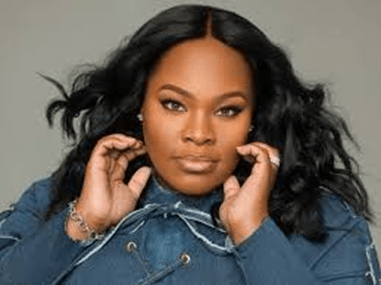
2. Tasha Cobbs Leonard

Image: Rolling Out

Favourite songs: ‘You Know My Name’, ‘Put A Praise On It’ & ‘Break Every Chain’.

I first heard ‘Break Every Chain’ sometime in secondary school one Sunday after church in the car home but did not know it was her singing until it was playing on her ’Essentials playlist on Apple Music – it turns out I actually knew more of her music than I thought!

Tasha Cobbs Leonard is from Jesup, Georgia in the USA. From childhood she has always been involved in church activities through her father’s church (Jesup New Life Ministries). Later on, she moved from Jesup to Atlanta and joined the dReam Center Church. Here, she further developed and nurtured her gifts as she led worship sessions here. In 2010, Tasha Cobbs Leonard released her debut album ‘Smile’. This got attention from EMI records and she released her second album ‘Grace’ in 2013. This album was #1 on the Billboard Gospel Charts and even made into the pop charts at #61. This album also features her signature single ‘Break Every Chain’, which was No.1 on the Hot Gospel Single Charts for 12 weeks. Tasha Cobbs Leonard won a Grammy Award in 2014 for the ‘Best Gospel/Contemporary Christian Music Performance’ for ‘Break Every Chain’. She also has three Stellar Awards and three Dove Awards to her name.

A way young people may be able to relate to Tasha Cobbs Leonard is through her overcoming of depression, a mental illness/mood disorder that commonly affects young people. In 2016, she told Essence Magazine that growing up, she always had sad feelings, but she came to full realisation of these feelings in 2007. After leading worship and watching people becoming saved and set free, she’d find herself under the covers of her bed in the dark – often for three to four days. She’d also often have negative voices in her head telling her things like: “Nobody wants you; they only want you for your gifts”. It was here Tasha Cobbs Leonard decided to take action.

Combined with prayer, Tasha also decided to see a therapist, and this helped her to conquer depression. Depression, she believes, is an issue that is not spoken about enough within the church and black community although it is a big illness within these communities. She is prepared to be an advocate for raising awareness for mental illness. She is a real example of “faith without works is dead”.

3. Melvillous

Image: SoundCloud

Favourite songs: ‘Pray&Pattern’, ‘Break My Heart’, ‘Rocket Man’ and ‘Widdit’.

The first time someone mentioned gospel rap to me, I actually thought it was quite weird/cringey because I always thought gospel couldn’t be rapped, especially on the kind of instrumentals that are typically associated with rap. My view changed when a friend told me to listen to Melvillous. When asked by Guvna B asked him why he writes the way he does, he replied: “ I want my lyrics to be seen as words to live by”. It’s evident why he wants this to be the case. In the same interview, Melvilous was asked: “If you could ask Jesus one question, what would it be?” Melvillous replied: “If he is pleased with me”. His ability to educate and state his views on a track whilst delivering an overall positive message makes him an articulate and thought-provoking rapper.

Melvillous stepped onto the UK Christian rap scene some ten years ago, delivering powerful freestyles such as his Premier Gospel Bars freestyle and his freestyle on Guvna B’s show (‘Hip Hop Sessions’) on Premier Gospel FM, but a conversation with RedBull music revealed he decided to take a break from music. He came back stronger with Komenz in 2015 and in 2017 he released his first EP entitled ‘Local’. This made it into the Top 20 iTunes chart. This EP includes one of his biggest songs, “Pray & Pattern”. Melvillous followed up with his second EP, ‘No Choice’ in 2018, which includes the popular songs ‘Feel No Pain’ and ‘Hungry’, and my favourite off the EP ‘Rocket Man’.

When it comes to writing music, Melvillous draws inspiration from an array of things: from his environment, a death of a close friend, or trips abroad. One trip he took where took inspiration was from a missionary trip to Asia. His musical influences include the UK’s Wretch 32 and the USA’s Chance the Rapper and Kendrick Lamar. This suggests why he describes his flow as ‘ Godly & Greazy’. In his latest EP, ‘Last Born’, Melvillous pays homage to one of the UK greats in the grime scene, Tinchy Stryder, in which Tinchy Stryder also features. It’s no wonder Melvillous’s content is varied. Hopefully we get an album from Melvillous soon!

4. Pastor William McDowell

Image: Billboard

Favourite Songs: ‘Give Him Praises’, ‘I Won’t Go Back’ &’Touch the Hem’ (feat. Trinity Anderson)

Pastor William McDowell is also another musician that I have known their songs but not their name. It was not until I was looking for different gospel music earlier in the year that I came across his latest album ‘ The Cry: A Live Worship Experience’ and has been one of the albums that I have had on repeat since.

Pastor William McDowell was born in Cincinnati, Ohio, and later relocated to Orlando, Florida. From a young age, he had been musically inclined. By the age of 5, he had started to play the piano. By age 13, he was playing drums for his church, and by 18 he was leading worship sessions. When Pastor McDowell relocated to Florida to study Entertainment Business at university, he was under the mentorship of many worship leaders and gospel musicians. One of them was Ron Kenoly, a distinguished gospel musician. Pastor McDowell served as a keyboardist and a music director under his leadership.

Pastor McDowell was ordained as a pastor in 2007 and in 2009 he released his debut album ‘As We Worship’, which charted on three Billboard charts. This includes the classic ‘ I Give Myself Away’. In 2011 he released his second album ‘Arise’ which also charted on 3 billboard charts: Billboard 200, Gospel Albums and Independent Albums. He received a Grammy nomination for ‘Withholding Nothing’ in 2013 and won a Stellar Award for the same album. ‘Sounds of Revival’, his fourth album, won a Dove Award for ‘Urban Worship Album of the Year’ in 2016. He has followed up with these albums with ‘Sounds of Revival II’ and ‘The Cry: A Live Worship Experience’. He has also collaborated with big names within the gospel music scene including Tasha Cobbs Leonard, Travis Greene and several others. I pray he wins a Grammy award soon!

One reason why Pastor McDowell is one of my favourite gospel musicians is because you can feel the sincerity in his singing, especially in the live albums such as ‘The Cry: A Live Worship Experience’. It makes room for the Holy Spirit to move. His live performances have resulted in the healing of many lives, and he is truly a vessel of God.

Stay tuned for the next blog of this series!

#GettingToKnowGospel

Ghana Music – From A London Eye

As a 19-year-old living in the western part of the world, you might not be expected to engage with your roots as such. Born and raised in Southeast London to Ghanaian parents, growing up was nothing short of functions. Driving up closer to the venues of the functions, you could smell the food being brought out of the metal containers. Once the food part was done (well really and truly isn’t done, you’ll always catch someone trying to do takeaway), you would hear Daddy Lumba’s “Aben Wo Ha” or Ofori Amponsah’s “Emmanuela” being played by the DJ. Once you hear that “Alright star, collaborate and listen!” everyone is busting a move on the dancefloor.

Fast forward into the 2010s and we have many artists setting the stage for Ghana music, and even breaking international barriers. In the early part of the decade we saw the emergence of the duos “R2Bees” and “Ruff and Smooth” who came out with singles such as “Kiss Your Hand” with Wande Coal and “Life (Walahi)” and “Dance for Me”. In that same period of time we also saw Ghana’s greatest rapper to date Sarkodie come out with “U Go Kill Me” along with E.L and “Azonto Fiesta” when the azonto dance was one of the biggest at the time, having made a mark in 2009 with his first album “Makye” meaning “good morning”. Since then, he is has been consistent with his music, with 2014’s “Adonai” along with Castro being his biggest song of all time. Additionally, he has used his talent to address social and political issues within the nation. “Dumsor”, which means “on and off” points out the mismanagement of electricity within the nation and its effect on the people – “doctors are using candles for operations”. “The Masses” is another song that addresses such matters within the country and talks about making decisions that benefit the whole nation and not just the rich.

Ever so recently we have seen a new wave of genre take off in the name of “afro-dancehall”, with Shatta Wale and Stonebwoy being the leaders of the scene. Shatta Wale was formerly known as ‘Bandana’ and released his first single in 2004 with Tinny which was called ‘Bandana from Ghana’. He later rebranded himself and changed his name to Shatta Wale with Wale meaning “World Acclaimed Lyrical Entertainer”, and in 2013 he released “Dancehall King” which became his breakthrough and boosted his popularity. Since then, he has followed up with hits including “Hol’ It”, “Baby (Chop Kiss)”, “Kakai”, “Ayoo” and “Taking Over” to name a few. Stonebwoy released his third studio album “Epistles of Mama” which was arguably one of the best albums of the year (my personal favourites being ‘Bawasaaba’ and ‘Most Original’ with Sean Paul). Before that he has two albums and an EP to his name. Together, these two have several awards and nominations, including VGMA’s, BET’s and a Grammy nomination.

Ghana music and afrobeat as a genre has had its influence on the UK scene (particularly the afroswing movement which has grown in recent years). Kojo Funds (who has a song with Stonebwoy called “Falling Again”), J Hus, Timbo, Sneakbo, Yxng Bane are all names that come into mind when this genre is mentioned. In the short period I’ve been alive it’s obvious that Ghana music and afrobeat as a genre has gone on and will continue to reach greater heights.

Burna Boy – Twice As Tall

Following the huge success of 2019’s Grammy nominated ‘African Giant’, an album in which the Port Harcourt native addressed corruption, instability and colonialism in Nigeria, Burna Boy is back in our speakers with his fifth studio album ‘Twice As Tall’ a year and a month later. He continues from where he left off in ‘African Giant’: addressing injustice within society whilst making feel-good danceable tracks, however ‘Twice As Tall’ is more personal to Burna Boy. In a press release from his label (Atlantic Records), he says the album is about “period of time in his life” and does not hold back in expressing himself.

In this album, Burna Boy draws upon various talents in the form of artists and producers all over the world. Kickstarting the album with the first track entitled ‘Level Up [Twice As Tall]’, Burna Boy calls upon the Senegalese legend Youssou N’dour. This is one of the songs which make it apparent why the album is personal to him. He recalls a time at which he was finding it difficult to reach the top, to the extent where he almost decides to quit. “Start feeling like I had enough, then I contemplate giving up”. Burna also self reflects on the Grammy awards, where he was so close to winning. This would have been a moment of self-fulfilment for him, but rather a time where he may have been doubting his own great ability. “Asking questions like why was it not us, almost had a n***a feeling envious”. One of three executive producers on the album is Sean ‘Diddy’ Combs (along with Burna Boy himself and Bosede Ogulu) , who’s voice leads and directs the album from the end of the track straight into the second track ‘Alarm Clock’. This song is basically an awakening of the spirit inside the listener’s body with steady-thumping drums representing his signature sound. At the end of ‘Alarm Clock’ Diddy asks: “Ay yo, you awake yet?”

The album takes a change in instrumental and verbal tone from Burna on “Way Too Big”. With an upbeat electric dance instrumental whilst maintaining the Afro core and increased confidence (one may mistakenly take for arrogance), Burna plainly tells the haters he is “way too big to be f******g with you” and “way too cool to be losing my cool”.

‘Bebo’ and ‘Comma’, both produced by Rexxie, suggest danceable rhythms that a routine can easily be put together for and a party can easily be started. ‘Comma’ is not only one for dancing. Like ‘Onyeka (Baby)’, Burna Boy makes these two songs for the ladies. In a video on Instagram, Burna Boy describes a ‘Comma’ lady as someone who looks good on the outside, but something is out of place somewhere. “This girl makes sense, but her booty no dey match her leg or something like that, she get comma”. In ‘Onyeka (Baby)’, Burna’s mellow flow and smooth vocals as he drops various names is one to draw all the ladies to him.

‘Naughty by Nature’ featuring the renowned US hip-hop trio Naughty by Nature allows Burna Boy to rap and harmonise at the same time on a rap-infused instrumental. It allows him to be cheeky and free. “I be naughty by nature, I be gang-gang”. Naughty by Nature also bless the beat as they bring their retro flows and lyrics making the song one of the standout tracks on the album and one of my personal favourites.

‘No Fit Vex’ and ‘23’ have a slow vibe attached to them. Produced by Leriq and Skread respectively, ‘No Fit Vex’ talks about losing friendships once cherished in order to reach personal goals. Burna Boy wishes those he has lost along the way well and does not show negativity towards them. “ I wanna hear better news about you and smile and it dey ginger my soul / I dey see your struggle, I no fit vex for you” he says in Pidgin English. In ‘23’ Burna equates the feeling of making music to the iconic basketball player Michael Jordan – that is when he is at his greatest point.

‘Monsters You Made’ is a true reflection of how outspoken Burna Boy can be when addressing oppression within society. In an interview with NME, Burna reveals that during his schooldays that he wasn’t taught on the history of his own country, but another country’s history. He was even taught that Mungo Park, a Scottish explorer of the 1700’s, discovered the River Nile – a place that has been around since the days of the Bible. Chris Martin, the lead singer of UK’s Coldplay, teams up with Burna Boy on a rock beat which aids in getting his frustration at institutions and systems. Burna Boy is as clear as day here: “When they been working like slaves / To get some minimum wage/ You turn around and you blame/ Them for their anger and rage/ Put them in shackles and chains/ Because of what they became/ We are the monsters you made”. He dismisses the deceit in believing Mungo Park discovered the River Nile. “F**k Mungo Park, the fool”. The song closes with a snippet of an interview in 1987 with Ghanaian author, Ama Ata Aidoo. “Over ? Is it really over?” she asks as the interviewer suggests the wrongdoings of Europeans faced by Africans is over. If you haven’t seen that interview, take the time to watch it.

‘Wettin Dey Sup’ is by far my favourite track on the album. Whilst the song is predominately in Pidgin English, Burna Boy dabbles between English and Yoruba. The production by Telz of Burna Boy’s ‘Spaceship’ camp and co-production by Timbaland allows Burna Boy to set the scene in the song as the sirens and gunshots depict a picture of what violence looks like within the cities of Nigeria. Burna alternates between rapping with a gangster flow and singing on the hook perfectly. One line in the song shows how those in who are in the ghettos do not see past it. “They only respect the money and the violence / So I get to show dem wetin dey sup”. The synthesis of the bass, snare and trumpet that sounds each time Burna says ‘Wettin Dey Sup” truly makes this one for the streets.

UK’s Stormzy joins Burna on ‘Real Life’. He isn’t rapping here though, but instead delivers slick vocals on an R&B rhythm. ‘Time Flies’ and  ‘Wonderful’ both bring happy feels. with Kenya’s Sauti Sol allows Burna to connect with his East African fans with the Swahili language on the Chorus. This song reminds us to live our lives as we aren’t getting any younger. Burna Boy describes ‘Wonderful’ in a press release (Atlantic Records), as “the ‘wonders’ of seeing the impact of my music on people’s lives while touring, and it also serves as a note that no matter how far you go, or how hard you work; you must be ready to come home. Above all, Africa is home, it is the motherland to all people”. Burna Boy also allows his listeners to do their research as he mentions Adebayo Ogunlesi, a managing director of a private equity firm and a Nigerian billionaire.

The album closes with ‘Bank On It’. JAE5, undoubtedly one of the biggest producers within the UK scene, connects with Burna Boy here to give a calm, gospel-like feel with the aid of a choir. Burna Boy asks God to protect him in everything he does. “Guide and watch over me Oh Lord / I cannot trust my neighbour”. This track is also one of my favourites as it is all about positivity.

Burna Boy doesn’t miss with this album. Although ‘African Giant’ is my favourite album of his and can never be topped, this album is a close contender as he conveys the messages of each song and the album altogether clearly. As he said in ‘Level Up [Twice As Tall]’, to those who doubt him, he vows to make sure you never forget about him.

Burna Boy: African Giant

It’s been almost 3 weeks since Burna Boy took Wembley Arena by storm for his latest album tour ‘African Giant’. A class performer from start to finish, he left his supporters with something to remember. Here, I’m going to tell you about my experience at the show and why it was significant.

The doors had opened around 7:15 pm and by 7:30pm we were inside. Luckily for my boy and I, we were really close to the stage, so we were able to take in everything in full effect. After a little “pre-party” with good mixes from Burna Boy’s DJ (DJ Bill Gates), Basketmouth took to the stage to introduce the opening acts – one of which was Burna’s Boys’s sister, which took some people by surprise. The final opening act was London’s own WSTRN, who performed their hit singles including “Vice Versa”,“Ben’ Ova” and “In2”. Haile and Louis Rei surprised the crowd towards the end of their performance by bringing out Akelle who had been away for a while. Now this is when the party starts…

The lights had dimmed in the arena and Burna Boy’s band had started to play. Everyone was wondering how Burna was going to come out. Suddenly, a huge black veil came down and one huge gorilla, who went by the name of “Koba”, released Burna Boy from its jaw. “Tell em Africa we don’ tire, so here comes the African Giant!” was the anthem he exclaimed as he soared through the air and eventually Burna landed on the stage. Burna Boy began to perform a mix of songs from his “Outside” and “African Giant” album until it was time to release the first surprise act of the night…

Dave mounted the stage and performed the summery feel hit “Location” with Burna Boy off his ‘Psychodrama’album. The crowd was ecstatic and was vibing to the flows of Dave and the harmonies of Burna Boy. After this, Burna took the supporters back in time to the beginning of his journey to 2012 with “Tonight”. You could see that it was a special song to him as he said, “This one is for all my day one Burna Boy fans,everyone who has been rocking with me from the beginning of this journey…our journey… this one’s for us”. It didn’t stop here though…

“I’m about to bring out the Nigerian lion real quick”. As soon as he said this, I knew Wizkid was coming out – apart from Davido, I couldn’t think who else it could be. My gut feeling was correct as Wizkid came and blessed the stage with “Soco” and the timeless“Ojuelegba” assisted by a choir in all white. Burna came out on stage again andthe show took a turn to address the real-life struggles of working individuals with songs like “Wetin Man Go Do” and “Dangote”, and more politically influenced songs tracks such as “Collateral Damage” and “Another Story” with Ghana’s M.anifest, my personal favourite on the album. One thing Burna Boy wanted to leave his fans to take away from the show was to do research about who they are and where they are from, so “no-one can tell you another story”.

Getting towards the end of the night, Burna gave us one final surprise. Stormzy took the stage with a greazy delivery of “Vossi Bop”. Burna Boy announced that the pair and “another special person” had a song coming out soon (which is out now) and that people should watch out for it. Burna Boy’s mum also came out to thank his supporters on the fact that Burna Boy had won ‘African Artist of the Year’ at the MTV Europe Awards. The night ended with the legendary “Killin Dem” and many Zanku circles around the arena. It was a time for fans to showcase their dancing skills and“Gbese!” to the fast-paced drums. The last performance for the night was the signature “Ye”, which had everyone singing in sync.

This was a significant night for many reasons. For me, this was the first headline concert I had been to in my life (for now, I don’t think any other show will top this for me). For Burna Boy, it was a historic night for him as he is the first African artist to sellout the Wembley Arena, which a plaque was awarded to him. Congratulations Burna Boy !

Yxng Bane – Triple Threat

Hailing from East London, Yxng Bane has been bringing to the table nothing short of an array of sounds on various tracks in the past year or two, particularly last year as it felt like 2017 was only a warm up of what he was about shower down in 2018. 2018 was not only a year of hit after hit for Yxng Bane, but also a year of showing that he’s more than just a musician.

Bane kickstarted the year with a collaboration with Maleek Berry, a producer and artist known for the production of many afrobeat artists’ singles including Wizkid’s ‘The Matter’. ‘Corner’,which was filmed in Nigeria shows Yxng Bane connecting with the people and the culture. Being of Congolese and Angolan heritage, he has also collaborated with French artist Franglish on a track called ‘Makasi’ meaning strong. Later,he came with ‘Vroom’, a spin on dancehall legend Beenie Man’s “Who am I”. This was successful and spent 14 weeks in the Official Charts peaking at no.27. Bane even got the call-up from the legend and made a remix of Bane’s ‘Vroom’. He released singles throughout the year including ‘Answerphone’ (with Ella Eyre and Bank&Ranx) ‘Both Sides’ and ‘More Muni’ (with 90Bagz, one of my favourite songs of the year). Bane came together with D-Block Europe’s Young Adz and Dirtbike LB and released a project entitled ‘AnyMinute Now’. ‘Gucci Mane’, ‘Cocktail’ and ‘Rap Saved Me’ were my personal favourites on the project, with ‘Gucci Mane’ charting to no.49 in the charts.

He didn’t stop there with the music – but came through with another talent which may have surprised his fans.Acting in a short film entitled “HBK: The Prequel” (in anticipation of his surprise mixtape), the film portrays life of young black males living in London: chilling with the mandem, moving to girls on road and the inconvenience of running into the police whilst not even causing trouble. As the main character, Yxng Bane portrays a jovial yet serious guy – jovial when bantering his friend about his mum’s cooking yet serious when he received the phone-call on the death of his girlfriend’s brother and realising the repercussions his friends could face. The mixtape is also not a disappointment.

A star already in the eyes ofmany, it’s no surprise that Bane took his image to London Fashion Week 2018. Already known for having good and expensive fashion sense, he was styling the creation of Tinie Tempah’s “What We Wear” label, which is described as “incorporating timeless, British-style with futurism”. He’s even collaborated with Dxpe Chef to bringout his own line “HBK x Dxpe Chef”, who base their clothes on tours around the world.

The future is looking bright for Yxng Bane provided he continues to keep up the hard-work. More shows, more albums and more muni!

Ghana Music – From A London Eye

As a 19-year-old living in the western part of the world, you might not be expected to engage with your roots as such. Born and raised in Southeast London to Ghanaian parents, growing up was nothing short of functions. Driving up closer to the venues of the functions, you could smell the food being brought out of the metal containers. Once the food part was done (well really and truly isn’t done, you’ll always catch someone trying to do takeaway), you would hear Daddy Lumba’s “Aben Wo Ha” or Ofori Amponsah’s “Emmanuela” being played by the DJ. Once you hear that “Alright stop, collaborate and listen!” everyone is busting a move on the dancefloor.

Fast forward into the 2010s and we have many artists setting the stage for Ghana music, and even breaking international barriers. In the early part of the decade we saw the emergence of the duos “R2Bees” and “Ruff and Smooth” who came out with singles such as “Kiss Your Hand” with Wande Coal and “Life (Walahi)” and “Dance for Me”. In that same period of time we also saw Ghana’s greatest rapper to date Sarkodie come out with “U Go Kill Me” along with E.L and “Azonto Fiesta” when the azonto dance was one of the biggest at the time, having made a mark in 2009 with his first album “Makye” meaning “I’ve taken long”. Since then, he has been consistent with his music, with 2014’s “Adonai” along with Castro being his biggest song of all time. Additionally, he has used his talent to address social and political issues within the nation. “Dumsor”, which means “on and off” points out the mismanagement of electricity within the nation and its effect on the people – “doctors are using candles for operations”. “The Masses” is another song that addresses such matters within the country and talks about making decisions that benefit the whole nation and not just the rich.

Ever so recently we have seen a new wave of genre take off in the name of “afro-dancehall”, with Shatta Wale and Stonebwoy being the leaders of the scene. Shatta Wale was formerly known as ‘Bandana’ and released his first single in 2004 with Tinny which was called ‘Bandana from Ghana’. He later rebranded himself and changed his name to Shatta Wale with Wale meaning “World Acclaimed Lyrical Entertainer”, and in 2013 he released “Dancehall King” which became his breakthrough and boosted his popularity. Since then, he has followed up with hits including “Hol’ It”, “Baby (Chop Kiss)”, “Kakai”, “Ayoo” and “Taking Over” to name a few. Stonebwoy released his third studio album “Epistles of Mama” which was arguably one of the best albums of the year (my personal favourites being ‘Bawasaaba’ and ‘Most Original’ with Sean Paul). Before that he has two albums and an EP to his name. Together, these two have several awards and nominations, including VGMA’s, BET’s and a Grammy nomination.

Ghana music and afrobeat as a genre has had its influence on the UK scene (particularly the afroswing movement which has grown in recent years). Kojo Funds (who has a song with Stonebwoy called “Falling Again”), J Hus, Timbo, Sneakbo, Yxng Bane are all names that come into mind when this genre is mentioned. In the short period I’ve been alive it’s obvious that Ghana music and afrobeat as a genre has gone on and will continue to reach greater heights.